Product Spotlight
Why MDF Is the Designer’s Material for Modern Furniture
17 Nov 2026 · Kyzo
Step into any modular factory or carpentry workshop today, and you’ll see one material in abundance - MDF. From wardrobe shutters to decorative wall panels, MDF has become the material of choice for modern interiors that demand clean design, smooth finishes, and cost efficiency. But what makes MDF so versatile? Why are designers increasingly choosing it over solid wood or plywood?
Let’s decode why Medium Density Fibreboard (MDF) has become the designer’s best friend interiors.
1. What Is MDF and How Is It Made?

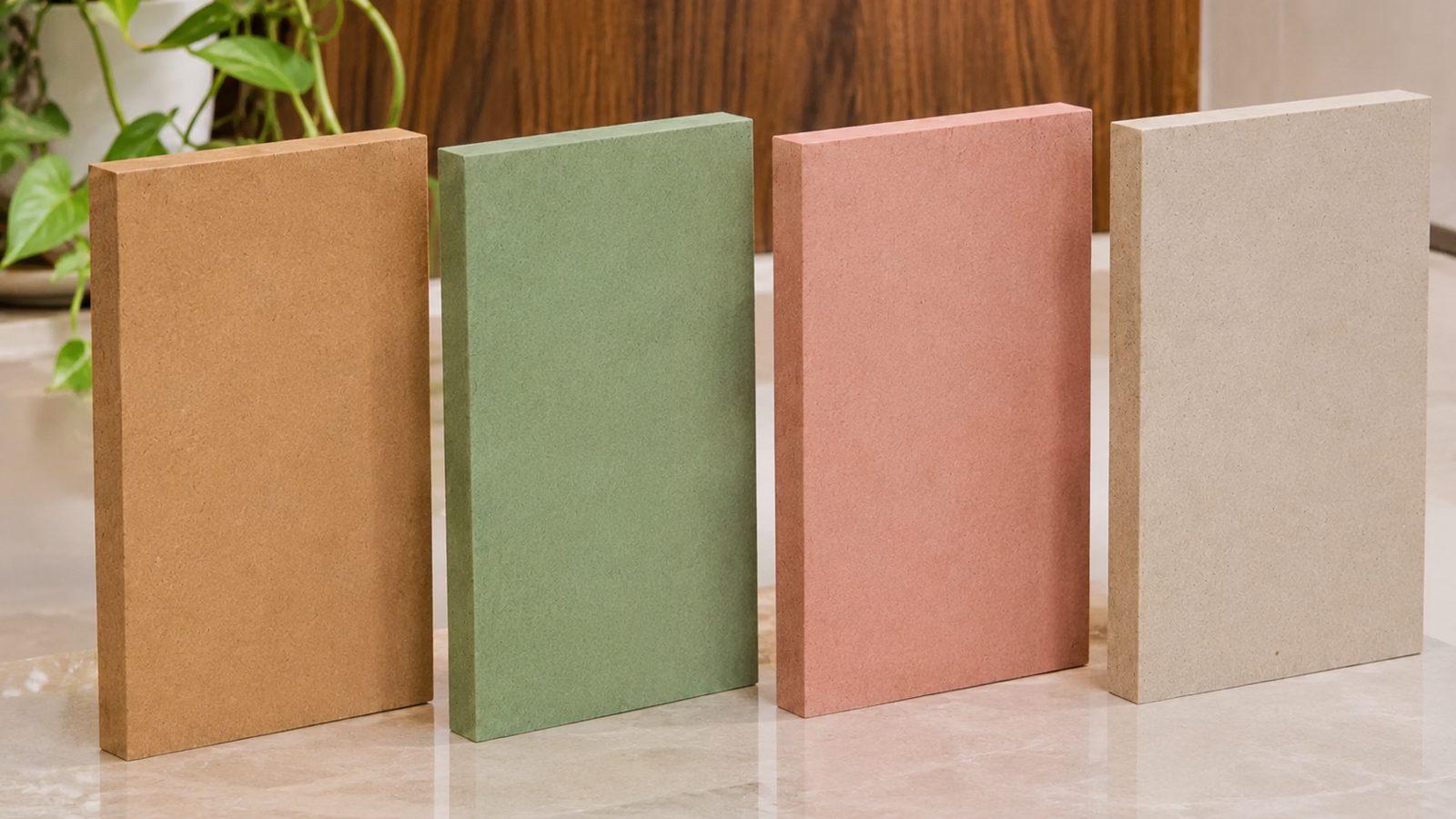
MDF, or Medium Density Fibreboard, is an engineered wood product made by breaking down hardwood or softwood into fine fibers. These fibers are bonded with resin under high temperature and pressure, forming a dense, smooth, and uniform board.
Unlike plywood, which has layers of veneer, MDF has a solid, consistent core - making it ideal for machining, carving, and painting.
At KYZO, our MDF and HDMR Boards are manufactured for precision - offering smooth surfaces, uniform density, and strong internal bonding for all modular and decorative applications.
2. Why Designers Love MDF
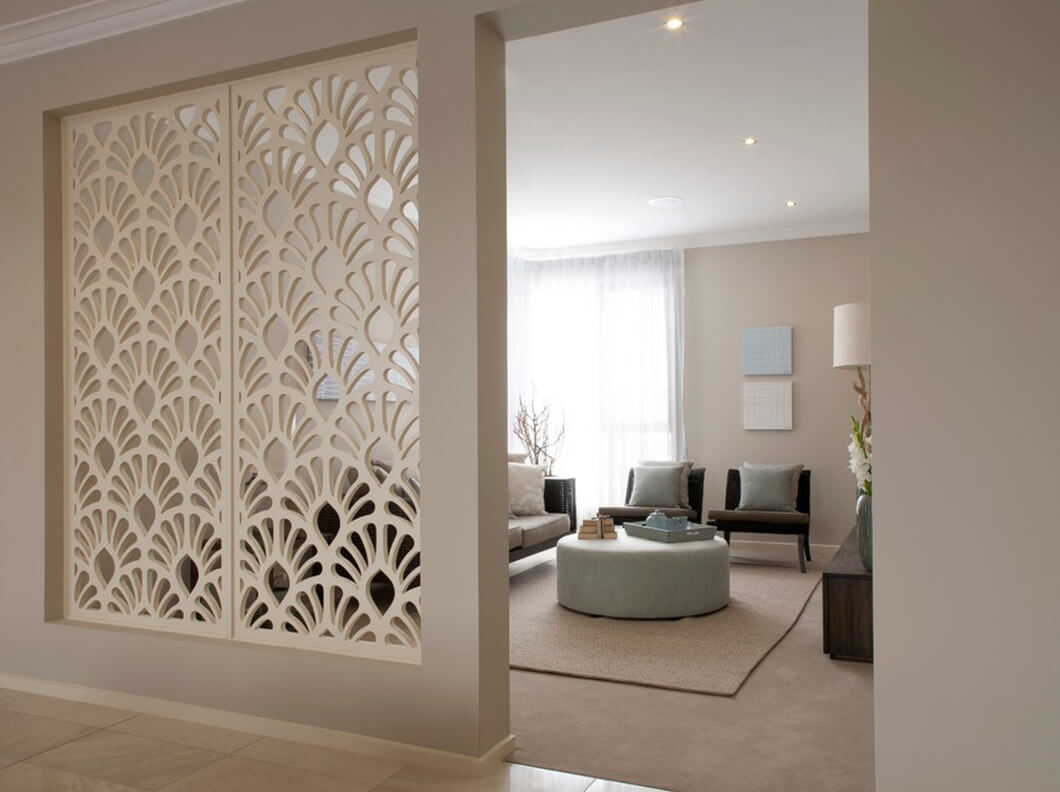
MDF’s popularity among interior designers comes down to three key advantages:
Perfectly Smooth Finish
Its uniform surface allows laminates, paints, and veneers to adhere seamlessly. No grain, no gaps - just clean perfection.Machinability & Design Freedom
MDF can be easily CNC-routed, carved, or grooved - perfect for creating fluted panels, jali partitions, and decorative shutters.Cost Efficiency
Compared to solid wood or high-grade plywood, MDF provides a sleek, modern look at a lower cost - without compromising on strength for indoor applications.
That’s why it’s used extensively in wardrobes, wall panels, TV units, and modular kitchen fronts.
3. MDF vs Plywood: Which to Choose and When
Both materials have their place - the secret is knowing where.
Parameter | MDF | Plywood |
|---|---|---|
Surface Finish | Smooth, ideal for laminates & paint | Textured, requires finishing layer |
Strength | Best for decorative & vertical use | Stronger for structural applications |
Workability | Easy to cut & route | Slightly harder to machine |
Moisture Resistance | Moderate | High (BWP) |
Cost | Budget-friendly | Higher, depending on grade |
For best results, many designers use MDF for decorative elements (like shutters and fluted panels) and KYZO's calibrated plywood for carcasses and structural elements - ensuring both beauty and strength in one system.
4. Popular Uses of MDF in Modern Interiors
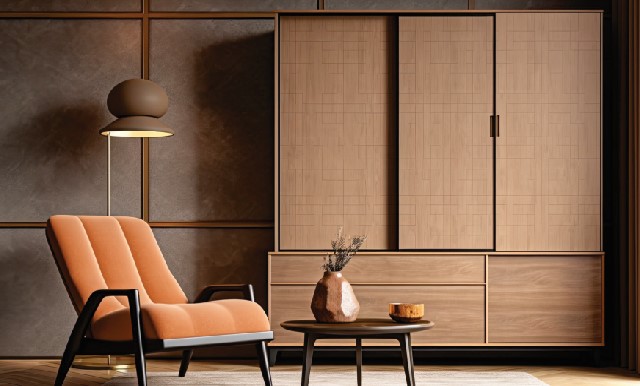
Wardrobe Shutters: Smooth panels for laminate or acrylic finishes
Wall Panels: Ideal for 3D CNC carving or fluting
TV Units & Partitions: Easy to paint or laminate for a seamless look
False Ceilings & Decorative Frames: Lightweight, easy to cut and install
When finished with Laminates or Acrylic Sheets, MDF can mimic high-end wood or stone finishes - while keeping projects efficient and affordable.
5. MDF Maintenance and Longevity
With proper care, MDF furniture can last for years.
Here are a few best practices:
Use edge banding to seal sides and prevent moisture seepage.
Avoid direct contact with water especially in kitchens and bathrooms.
Clean using a dry or slightly damp cloth only.
For high-humidity conditions, HDMR (High-Density Moisture Resistant) MDF boards are a smarter choice - offering enhanced protection and screw-holding strength.
6. The Sustainable Side of MDF
One of MDF’s greatest advantages is its eco-friendliness. It uses recycled wood fibers, reducing dependence on solid timber and minimizing waste.
Modern boards like Khidki MDF/ HDMR boards are made using low-emission adhesives and precision manufacturing - ensuring both environmental responsibility and consistent quality.
This makes MDF a sustainable material for designers who want aesthetics and accountability.
Khidki MDF & HDHMR
See All7. The Future of MDF in Interiors
As modular interiors become more automated, MDF’s compatibility with CNC machines and seamless finish make it a cornerstone for the next generation of interior design.
Whether it’s a factory-built wardrobe or a site-assembled media unit, MDF bridges the gap between custom craftsmanship and mass precision - helping designers bring creativity to life, efficiently and beautifully.
MDF Boards
See AllFAQs
What is MDF and how is it made?
MDF (Medium Density Fibreboard) is an engineered wood product made by bonding fine hardwood or softwood fibres with resin under high temperature and pressure.
Why do interior designers prefer MDF?
MDF offers a smooth, uniform surface, easy CNC machining and a cost-effective finish. It is ideal for decorative furniture, carved panels and modern interior applications.
How can you maintain MDF furniture?
Keep MDF furniture away from direct water, seal exposed edges with suitable edge bands and clean surfaces using a dry or slightly damp cloth.
Where can I buy MDF and HDMR boards?
You can explore MDF and HDMR board options at KYZO, along with plywood, laminates and edge bands for your modular furniture and interior projects.
How can you maintain MDF furniture?
Keep MDF furniture away from direct water, seal exposed edges with suitable edge bands and clean surfaces using a dry or slightly damp cloth.